World-class care. Homegrown heart.
For 35 years, the Tennessee Aquarium has consistently demonstrated excellence in animal care, even as science, innovations, and medical best practices evolve.
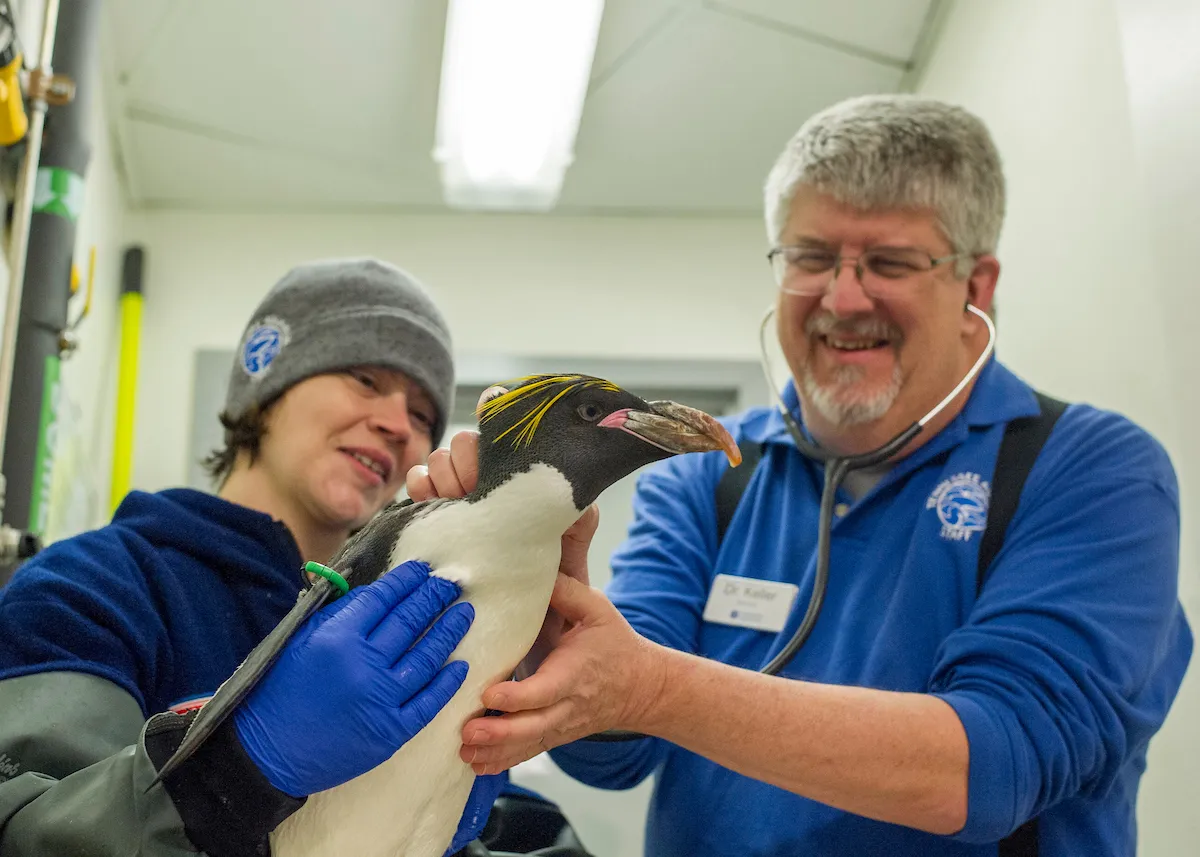
Now, we are investing in our growing collection of animals with a new on-site Animal Hospital and Veterinary Program that will provide seamless, stress-free, and clinically advanced medicine to the animals we’ve been entrusted to care for and protect.
Building expanded capacity
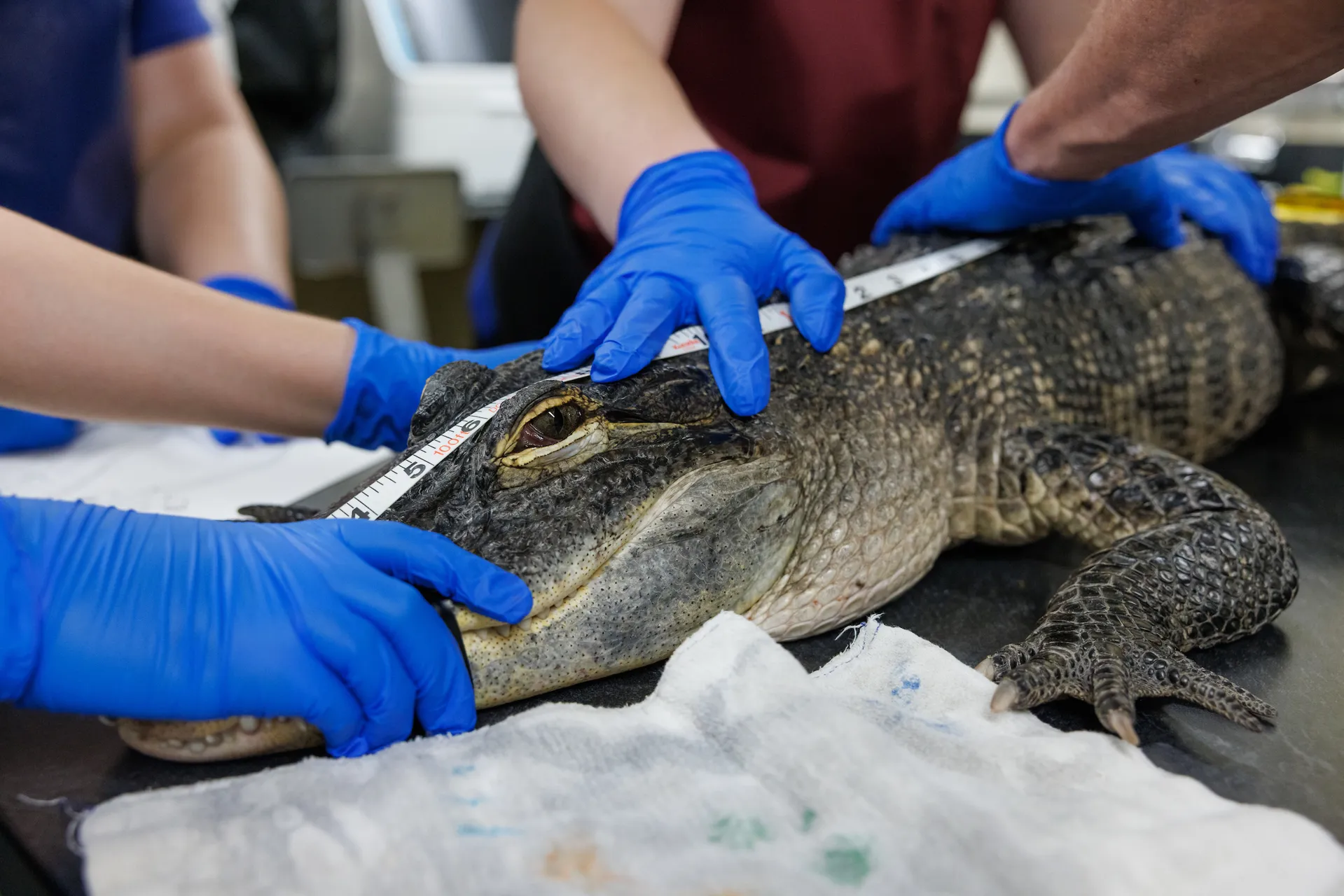
As we’ve grown, our animal hospital has reached capacity. The new facility is designed and equipped to provide world-class, comprehensive healthcare to support our animals’ health and well-being.
Highlights include:
- Surgical and dental suites
- Advanced imaging suites including CT, radiology (x-ray), ultrasound, endoscopy, etc.
- Recovery/ICU suite with small aquatic recovery tanks and enclosures for small mammals, birds, and herpetology recovery
- Clinical pathology lab for hematology, parasitology, cytology, microbiology, and a small research library
Building comfort on-site
The on-site facility will optimize comfort, provide round-the-clock care, and improve health outcomes by eliminating the potentially harmful stress of transportation.
Highlights include:
- An open and connected architectural design for seamless, connected care
- A soothing color palette selected to mimic the colors of our animals’ natural surroundings
- Increased capacity for monitoring and follow up
Building investment in the future
The modern and robustly equipped hospital represents the potential to make a multigenerational impact on our ecosystem, our community, and our industry.
Highlights include:
- Expanded capacity for researching aquatic health, addressing wildlife trafficking, and supporting species recovery programs
- Providing a world-class, hands-on training environment for future veterinarians, vet techs, husbandry interns, and conservation fellows
- Floor-to-ceiling windows into treatment suites for observation opportunities for students, special guests, and veterinary professionals
- Behind-the-scenes tours where guests can witness firsthand the world-class care our animals receive
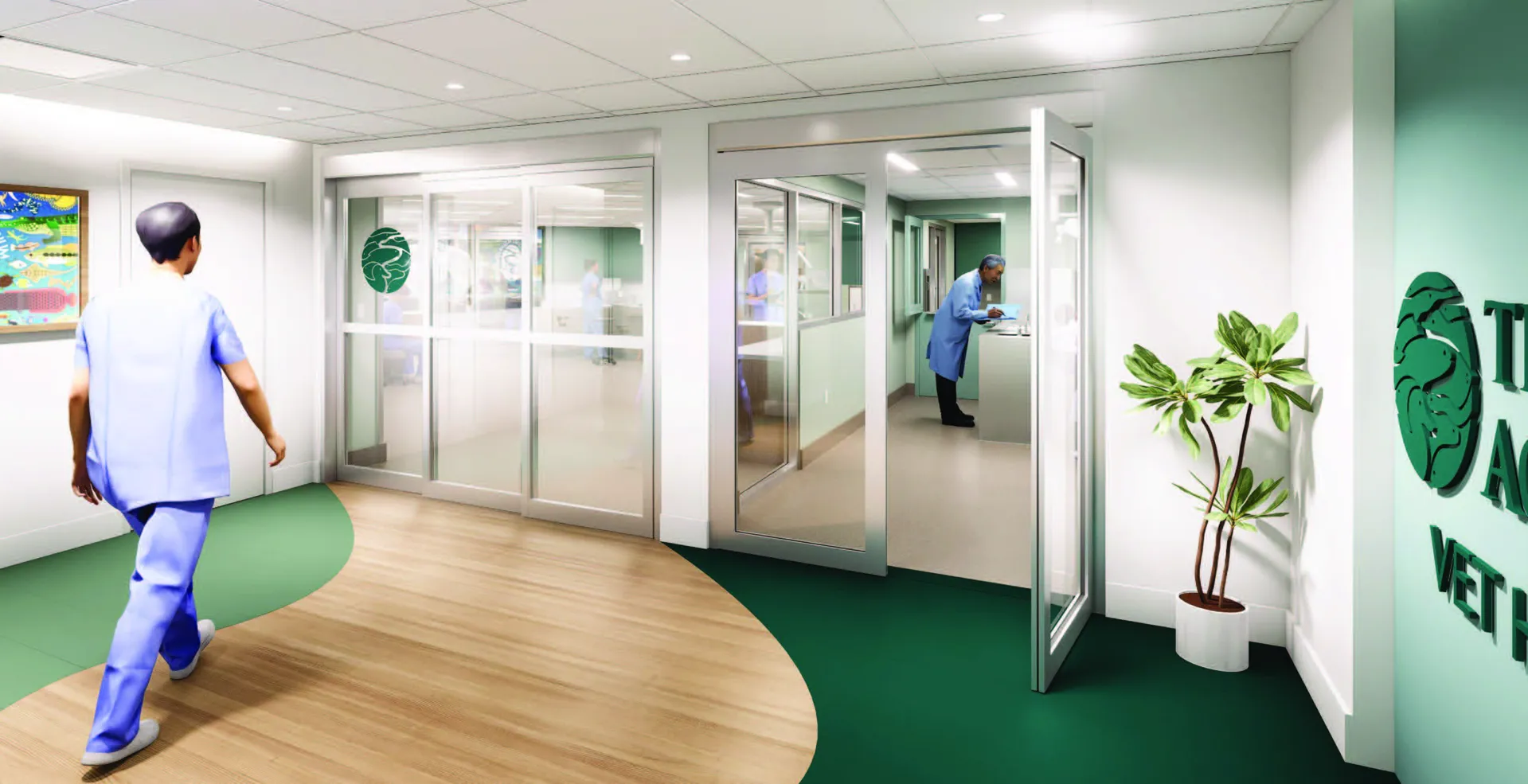
Outcomes-focused comfort
Every square foot of space is intentionally designed and equipped to provide world-class, comprehensive healthcare, diagnostic services, and rehabilitation. This facility will be located on the mezzanine level of the River Journey building.
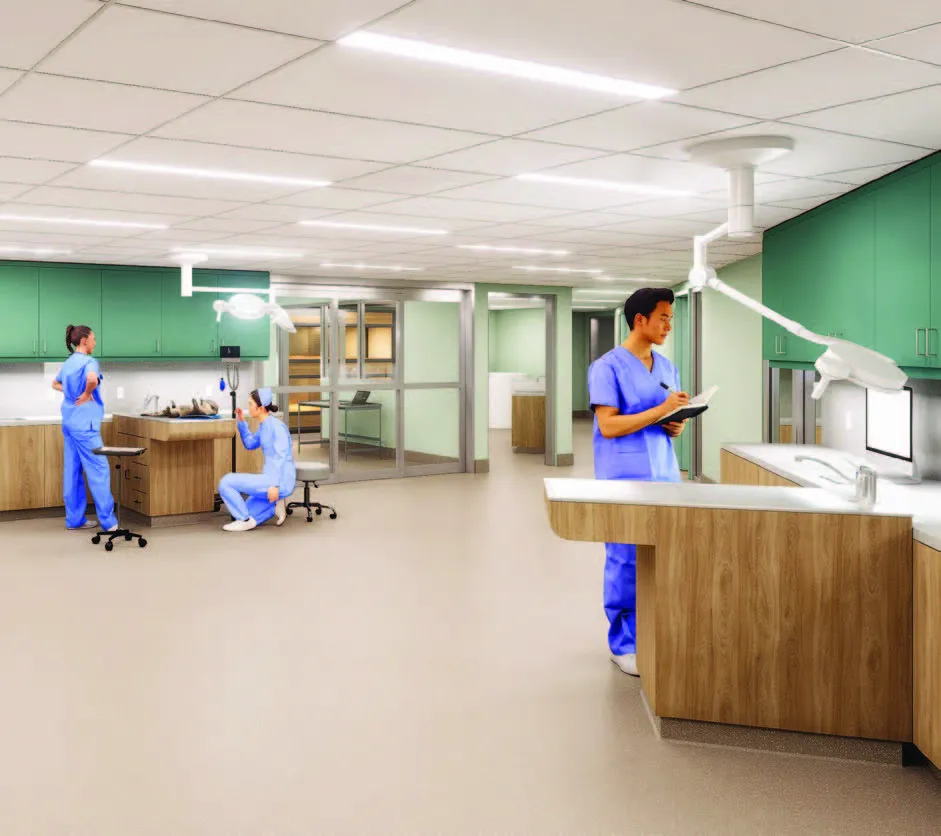
A centralized treatment room is the hub of the hospital, supporting seamless care with direct access to recovery, imaging, and surgical suites along with vet offices.
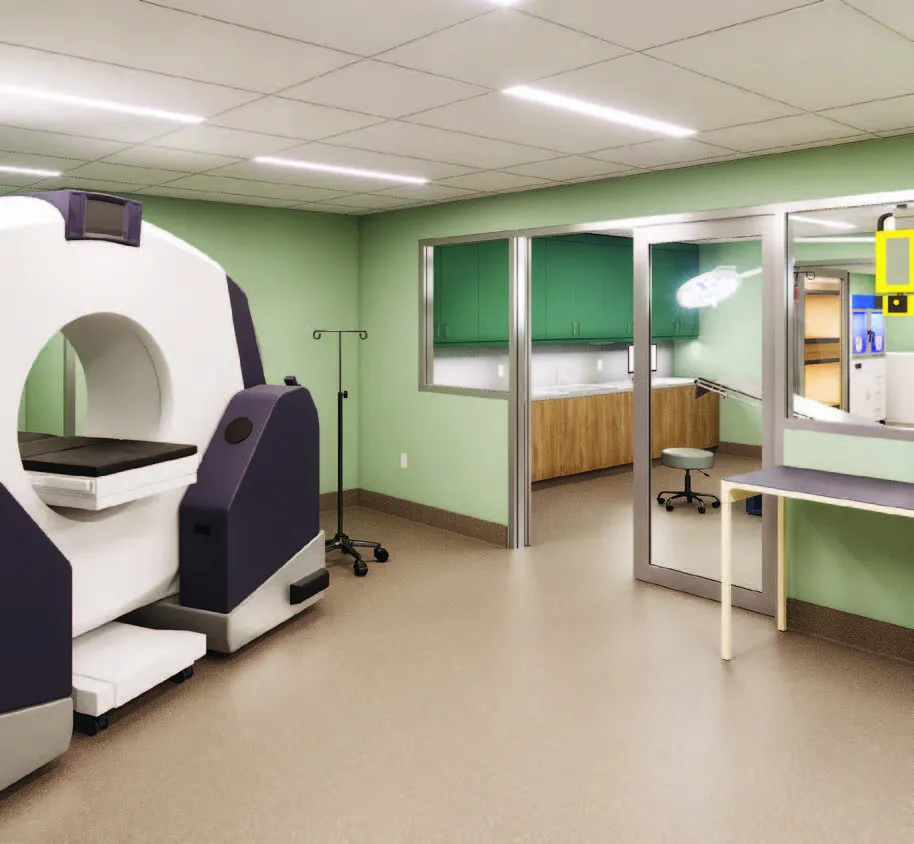
The new state-of-the-art imaging suite will feature CT, radiology, ultrasound, and endoscopy with floor-to- ceiling windows to offer observation opportunities for students, special guests, and veterinary professionals.

Support our new Animal Hospital and Veterinary Program
Every gift brings us closer to our goal, and helps advance exceptional veterinary care. We are deeply grateful for your support.
Meet our Animal Health team
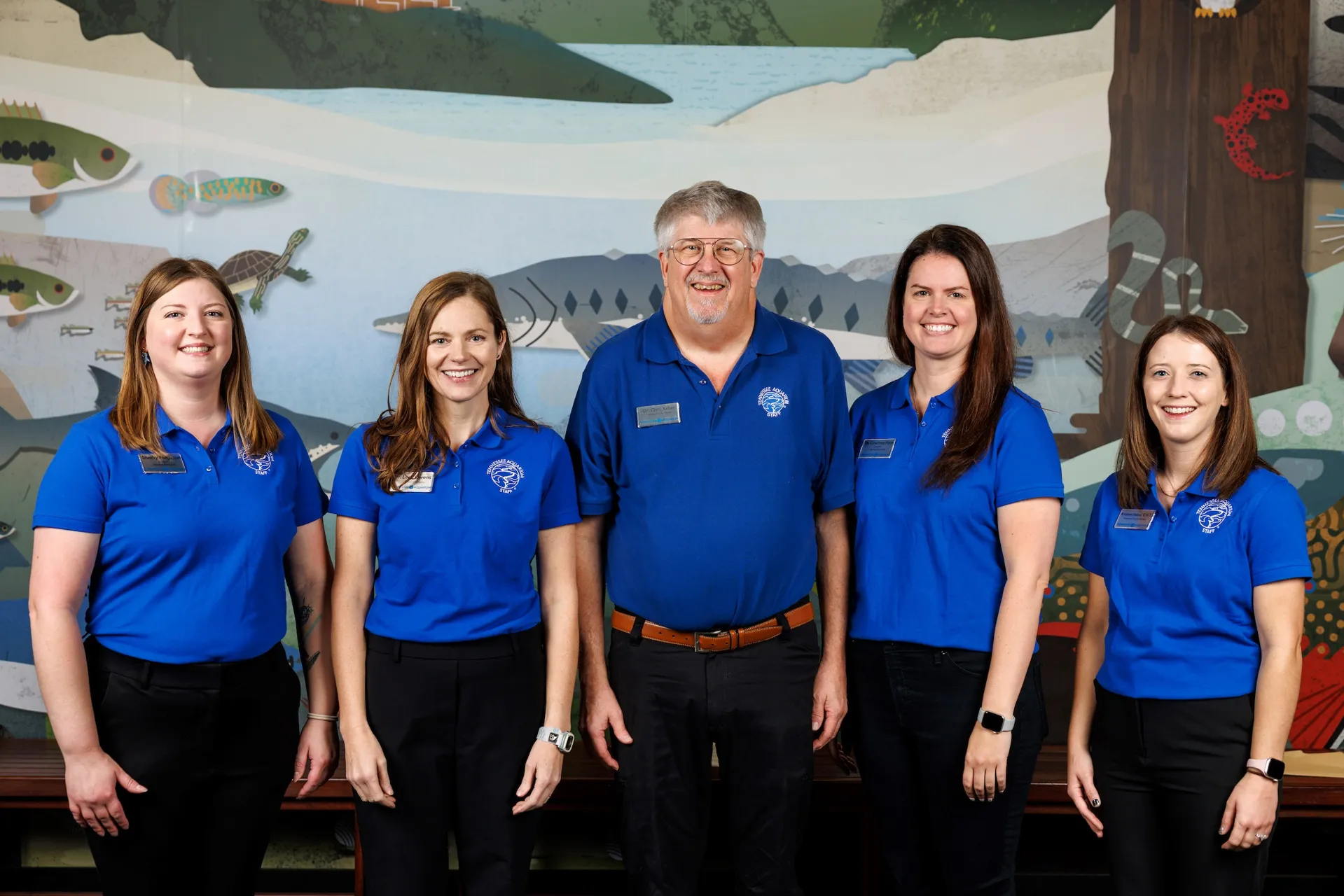
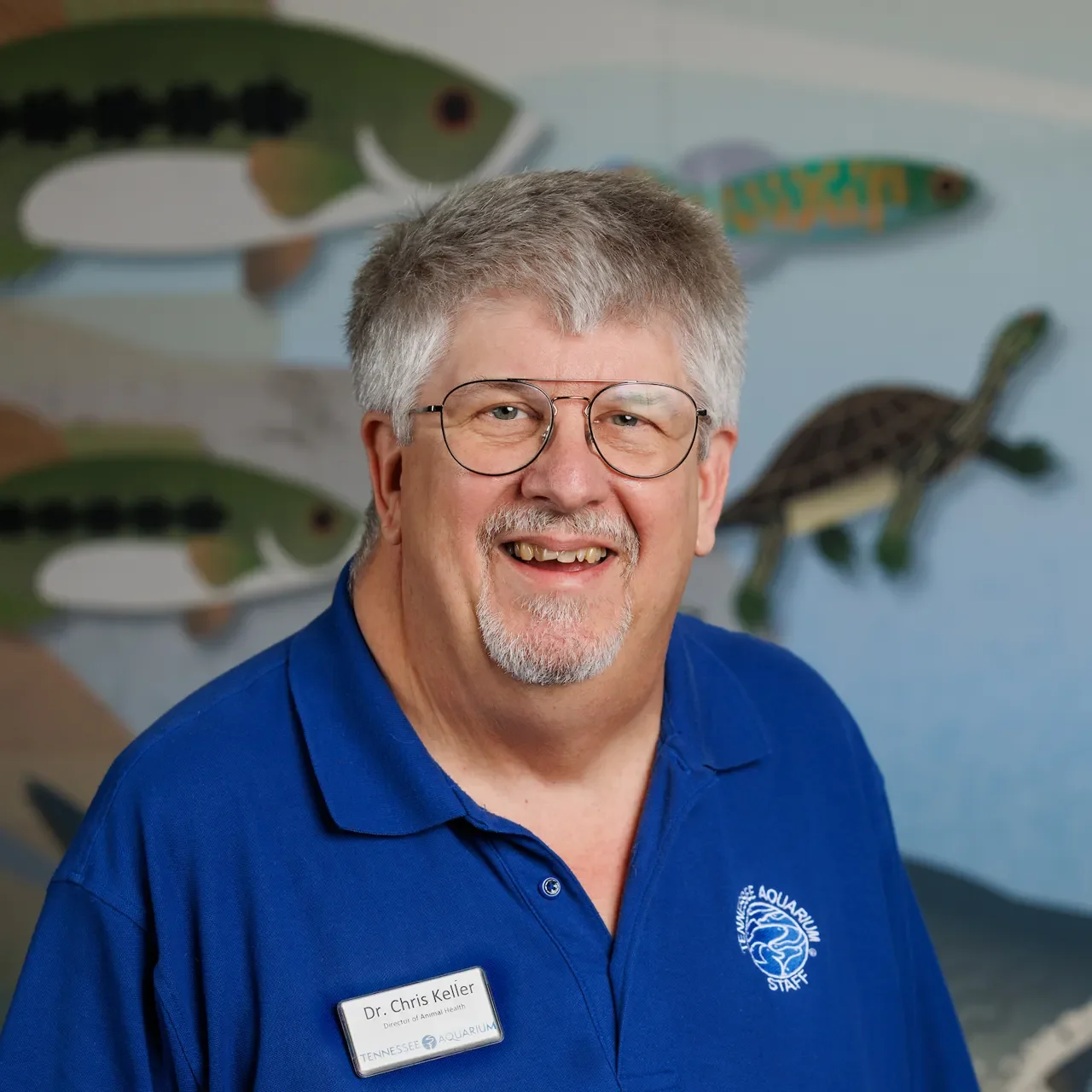
Dr. Chris Keller
Director of Animal Health
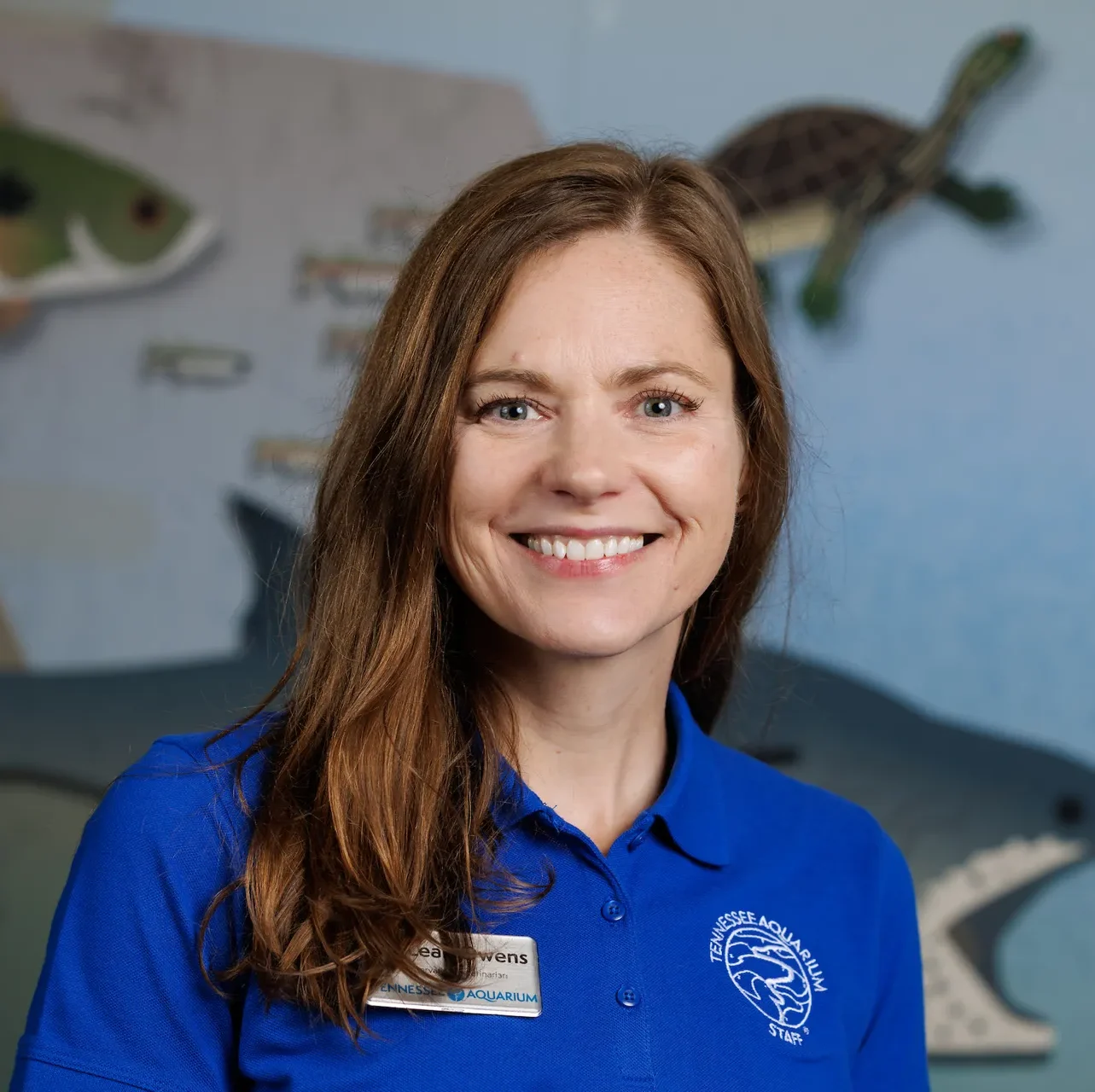
Dr. Leah Owens
Conservation Veterinarian
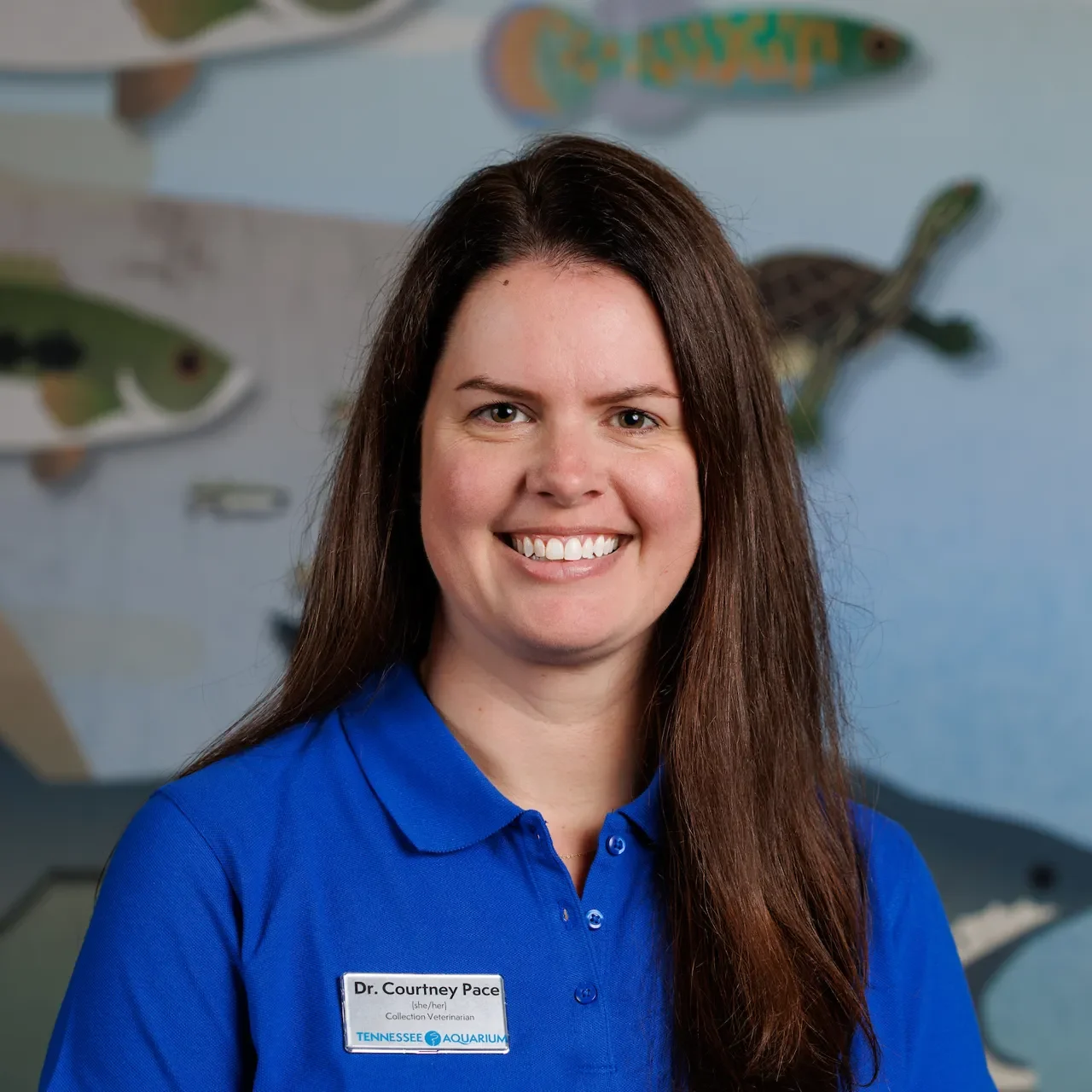
Dr. Courtney Pace
Collection Veterinarian
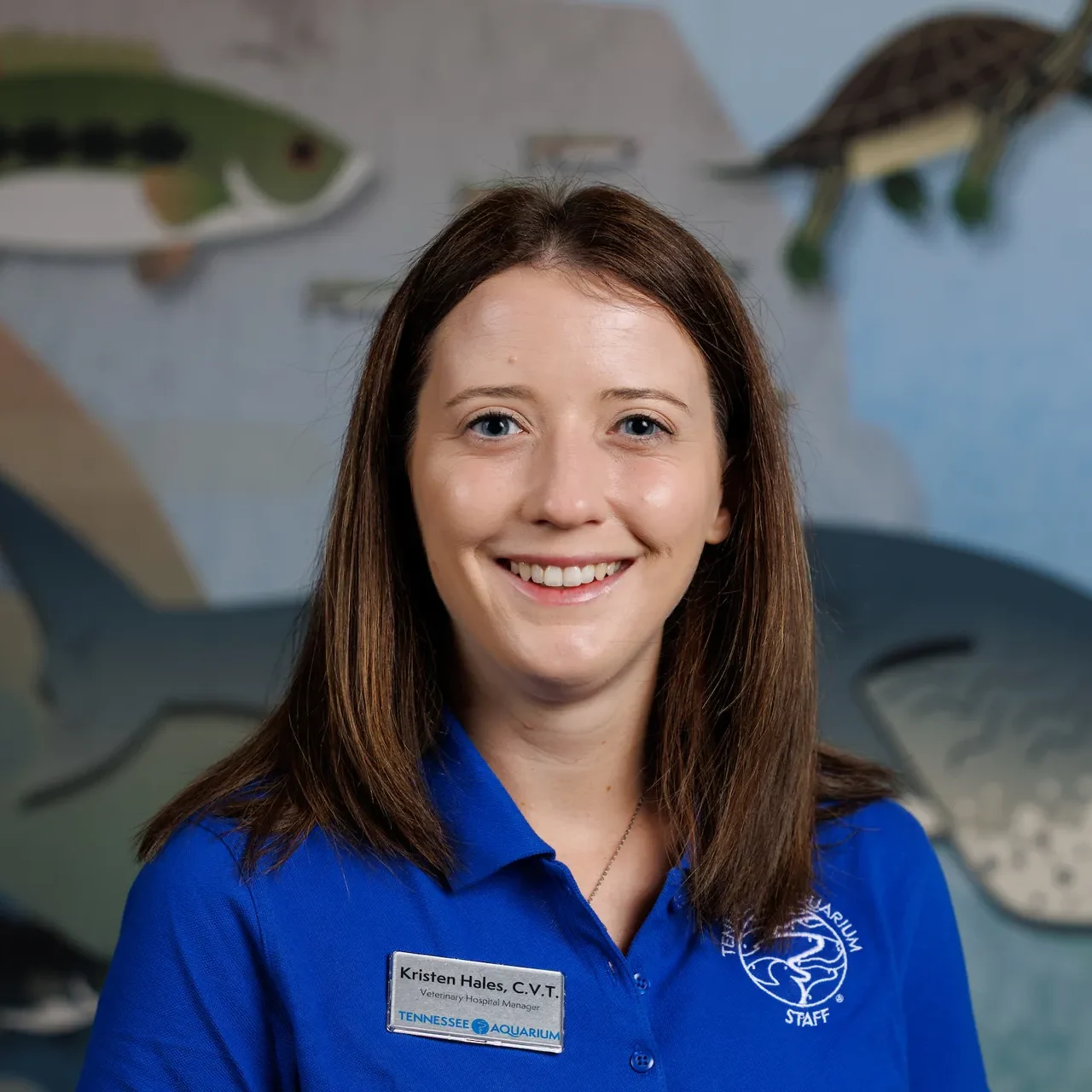
Kristen Hales
Veterinary Hospital Manager
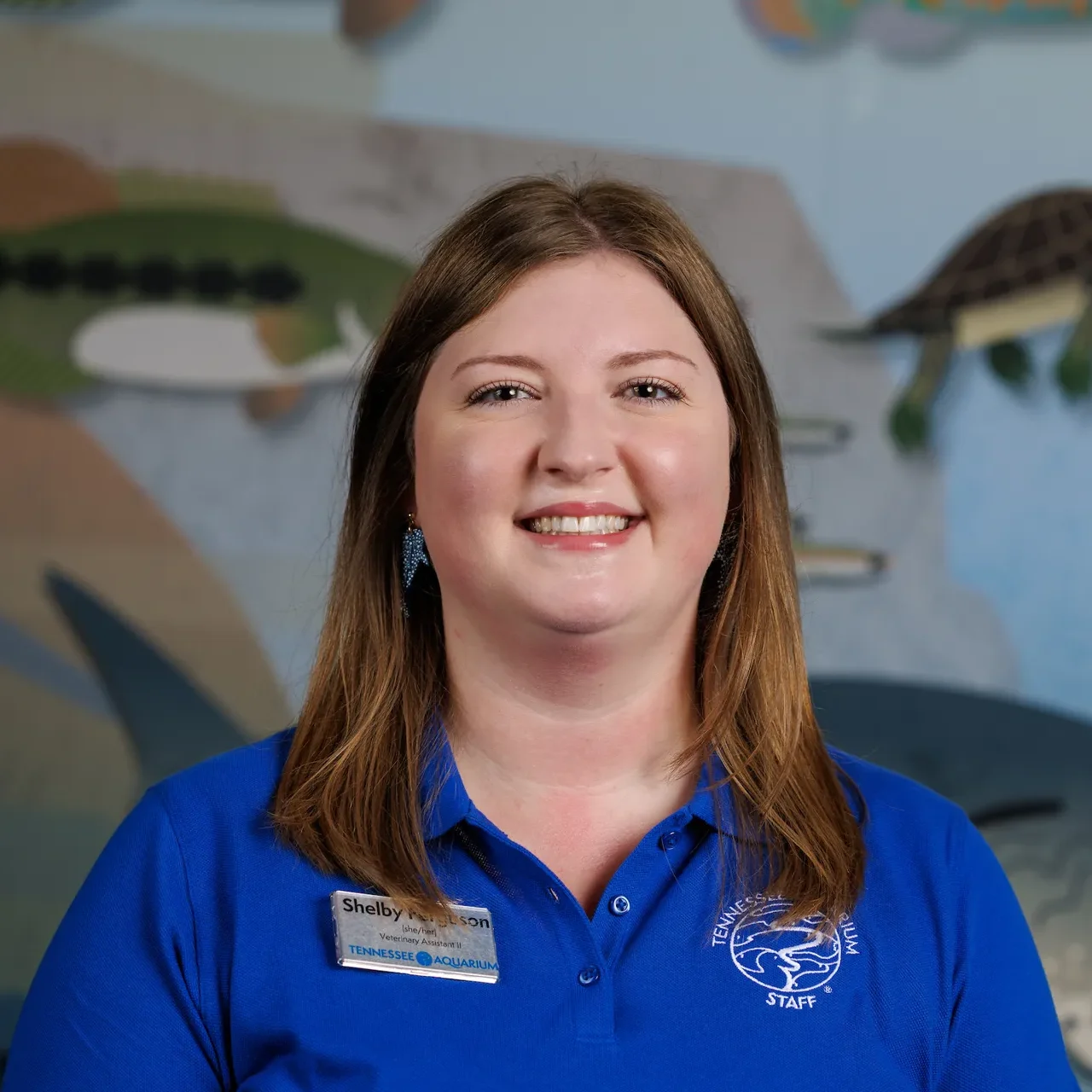
Shelby Ferguson
Veterinary Assistant II
View more animal care stories
See our collection of stories documenting the extraordinary work of the Aquarium’s veterinarians and animal care specialists.
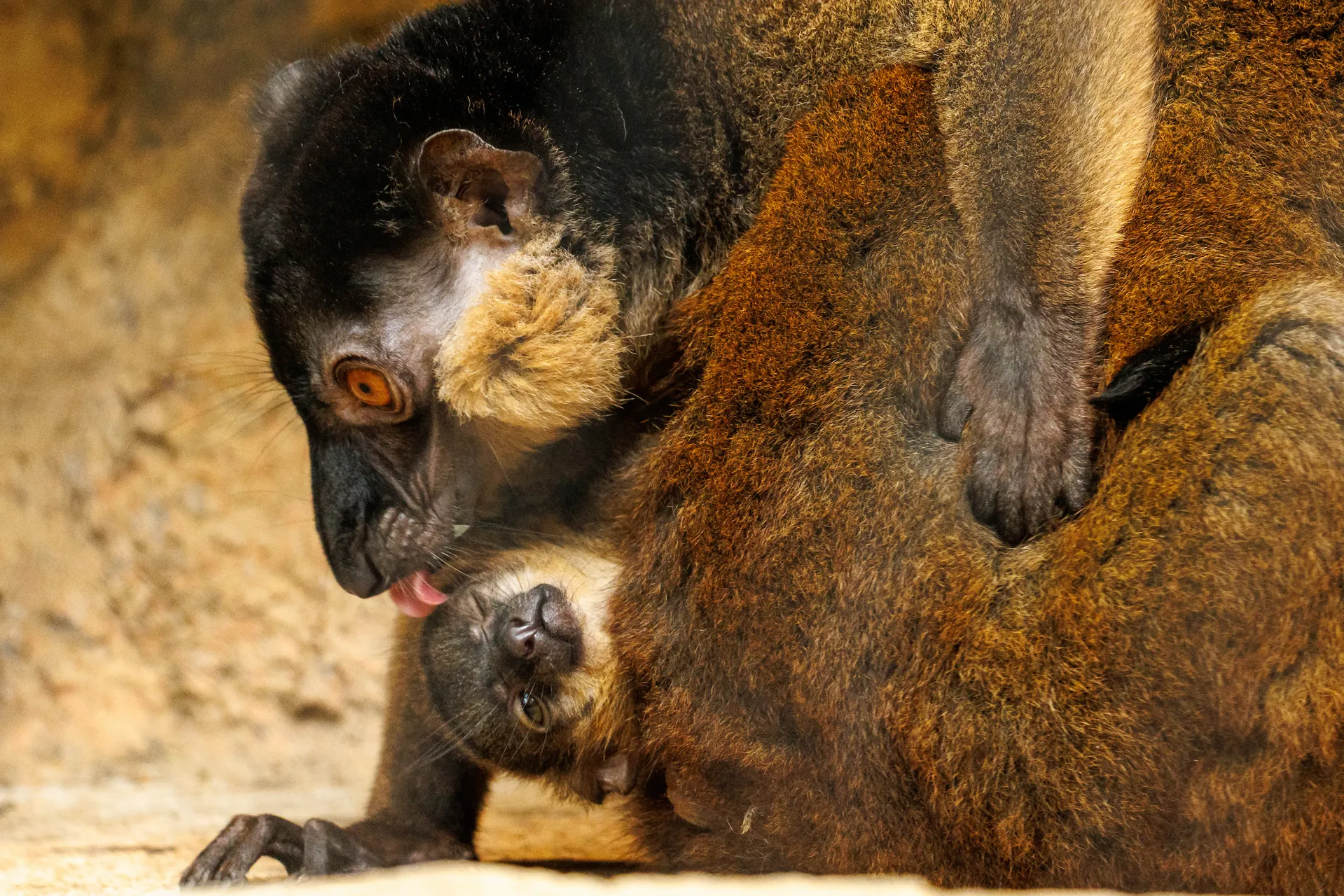
Our first-ever baby lemur
More square footage. More services. More success stories.
In June of 2026, we celebrated the remarkable arrival of our first baby lemur – an event that was nearly a decade in the making. The Lemur Forest exhibit was designed with breeding and infant care in mind, thoughtfully engineered to support an intentional hands-off approach that allows the animals to care for their young without potentially disruptive human intervention.
“We’re so proud of this birth,“ says Aquarium Director of Animal Health Dr. Chris Keller. “From how we care for them to the home we create for them here, this is a testament to the whole husbandry staff, from top to bottom.”
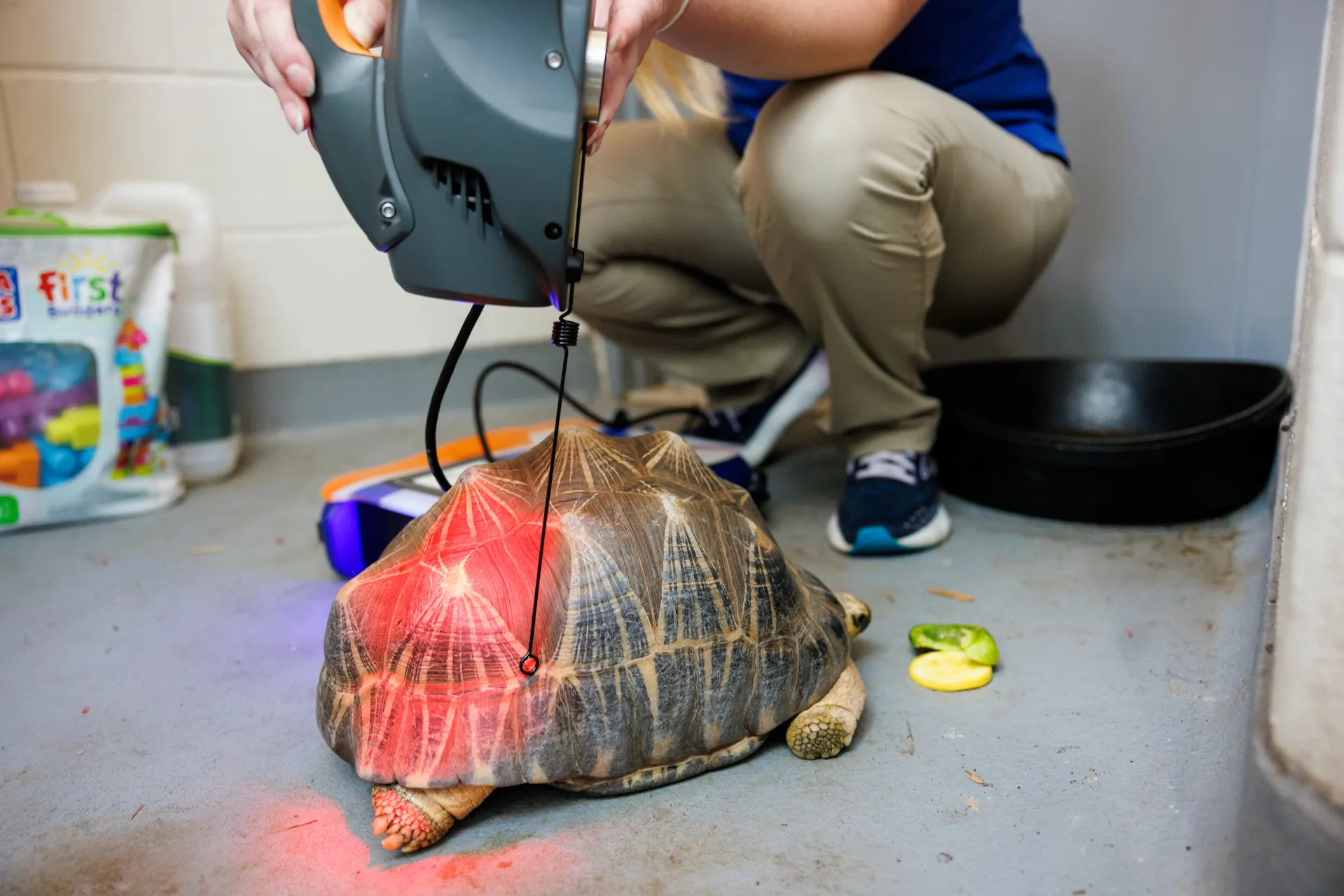
Cold laser therapy
Doubling down on our commitment to comfort
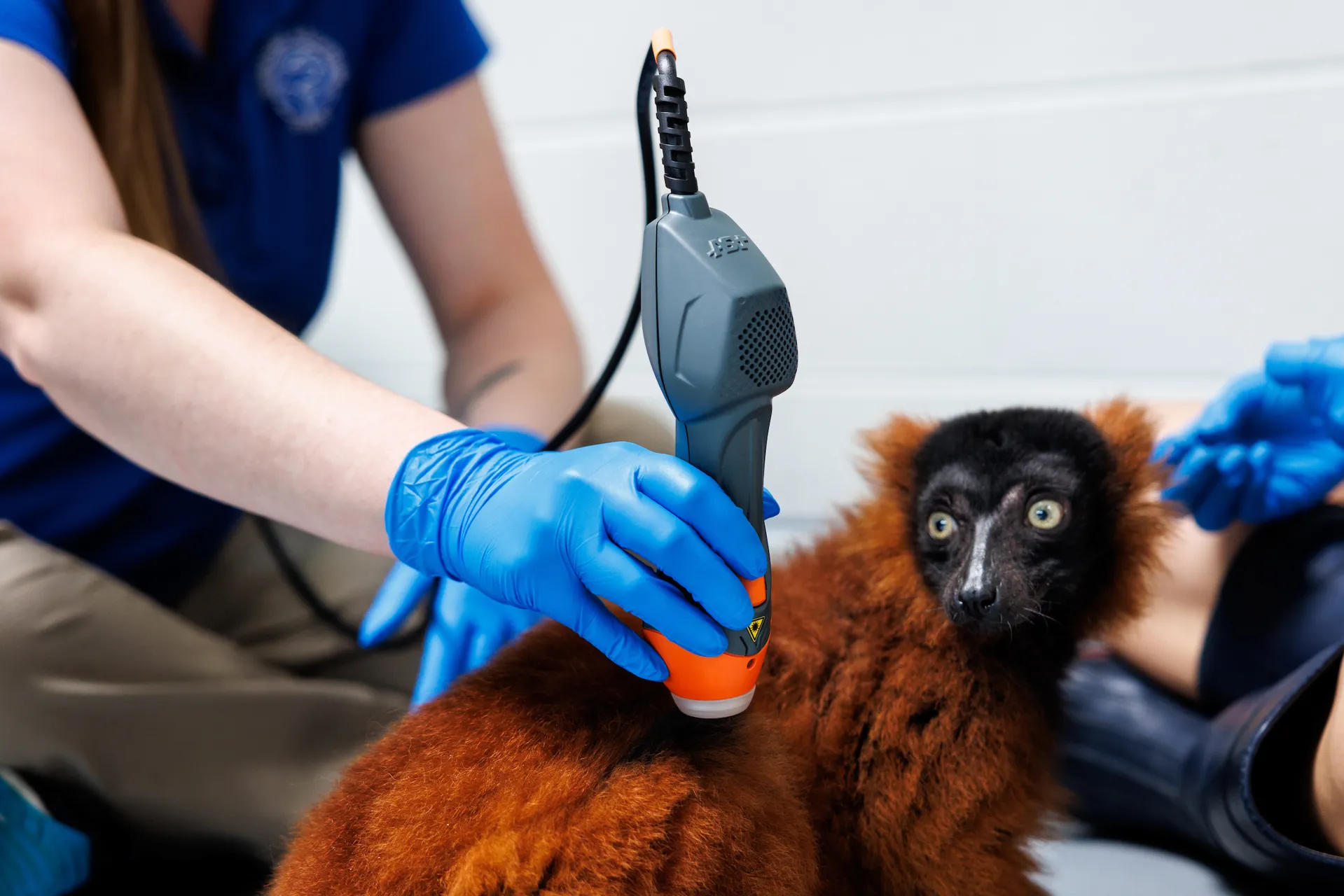
Our veterinary team and animal care specialists have been employing a relatively new technology, “cold laser therapy,” in hopes of improving the mobility of our aging female Red-ruffed Lemur, Lyra. The results were positive and almost immediate and have become a permanent addition to our toolkit for non-invasively improving the quality of life for our aging animal population. This technique can also be utilized by other species in our care like otters, penguins, and radiated tortoises.
Hatching critically endangered turtles
Multigenerational impact here at home
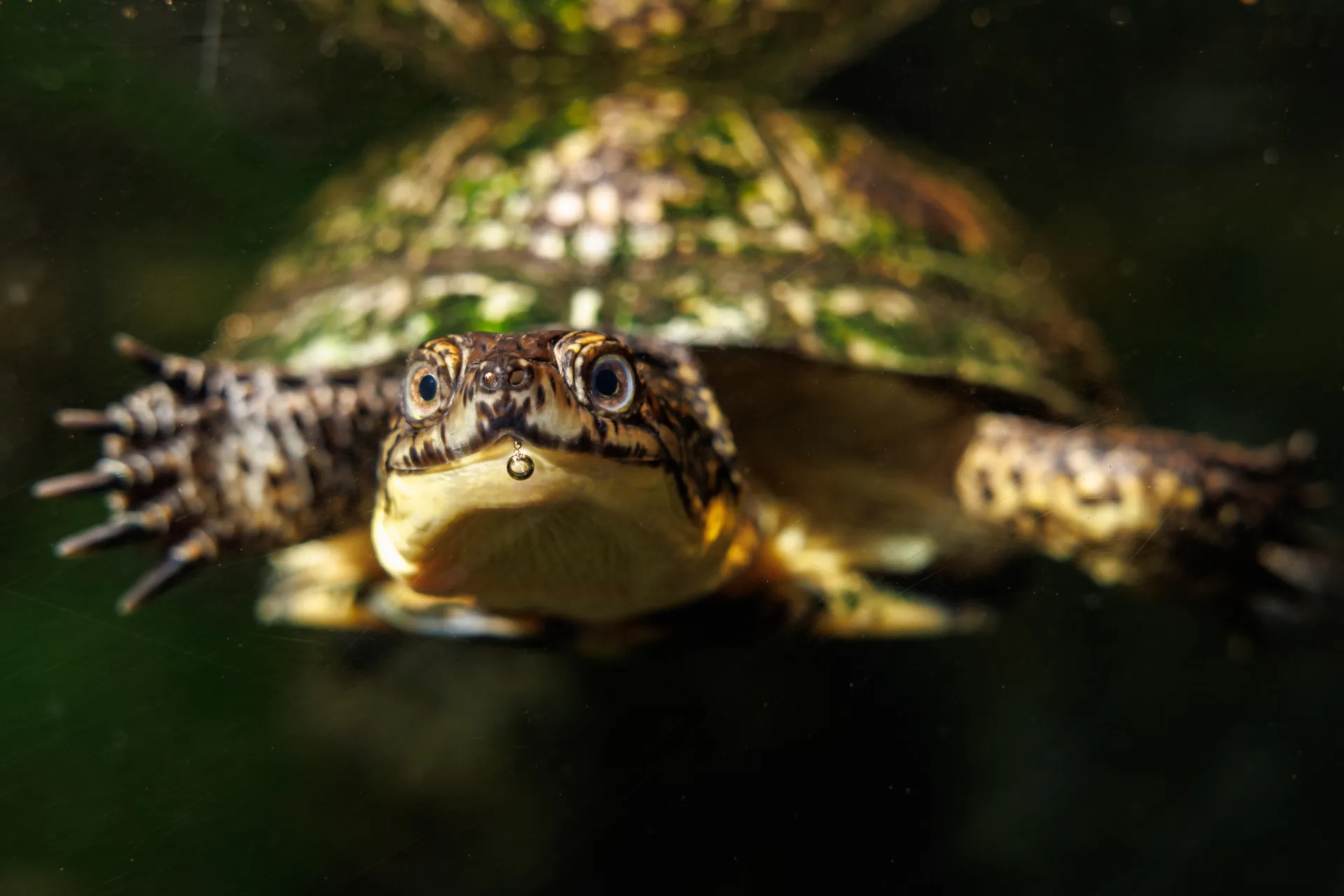
In 2023, two Arakan Forest Turtles were hatched at the Tennessee Aquarium – a feat that no zoo or aquarium had successfully accomplished since 2017. As rare as they are today, Arakan Forest Turtles were once believed to be extinct. They disappeared from view in 1908 but were rediscovered in 1994. “By hatching some little, obscure turtle from Myanmar and Bangladesh and going — ‘Look at this interesting little turtle. It’s rare and endangered in the wild’ — these guys act as ambassadors for their species, letting the public know there’s a problem,” says Bill Hughes, the Aquarium’s herpetology coordinator.
